Introduction
What Timing Advance For #1 Cylinder Really Means
The phrase Timing Advance For #1 Cylinder usually indicates a timing-related fault in which the camshaft timing for the bank containing cylinder one is more advanced than the engine computer expects. In many vehicles, this shows up as trouble codes tied to camshaft timing or cam-and-crank correlation. The engine control module continuously compares crankshaft and camshaft signals. If those signals do not line up within the allowed range, it stores a fault code and may turn on the warning light. In plain language, the engine feels that the valve timing is moving too early. That can upset fuel delivery, spark timing, idle quality, and overall power. The issue is not always the cylinder itself. Very often, it is the timing control system around that cylinder bank.
Quick Bio: Timing Advance For #1 Cylinder
| Field | Details |
|---|---|
| Keyword | Timing Advance For #1 Cylinder |
| Topic Type | Engine diagnostic and repair issue |
| Main Meaning | Camshaft timing for the bank with cylinder 1 is more advanced than expected |
| Related System | Variable valve timing and camshaft timing control |
| Common Warning Sign | Check engine light turns on |
| Common Symptoms | Rough idle, weak power, hard starting, poor fuel economy |
| Possible Causes | Dirty oil, bad timing solenoid, faulty sensor, worn timing chain, low oil pressure |
| Affected Parts | Camshaft actuator, crankshaft sensor, camshaft sensor, timing chain, oil control valve |
| Risk Level | Moderate to high if ignored |
| Can You Drive? | Only for a short distance with caution, then inspect quickly |
| First Check | Oil level, oil condition, and stored trouble codes |
| Best Fix Approach | Proper diagnosis before replacing parts |
Why modern engines care so much about timing
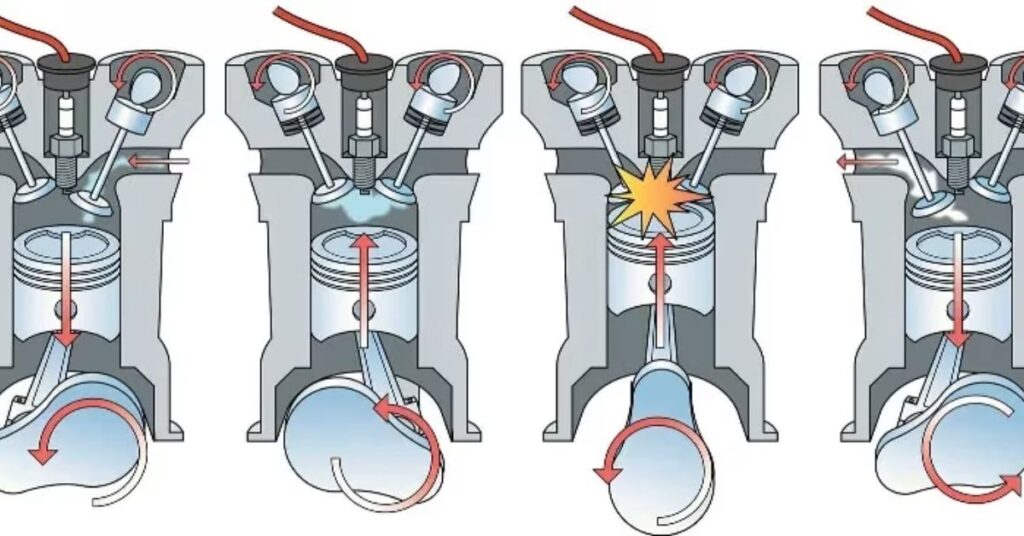
Modern engines are built to be smart, clean, and fuel-efficient. To do that, they use systems such as variable valve timing, often called VVT or VCT depending on the brand. These systems adjust camshaft position while the engine runs, so the valves open at the best moment for power, fuel savings, and lower emissions. This adjustment often depends on clean engine oil, working control solenoids, healthy sensors, and a strong timing chain or belt. If one part sticks, gets dirty, or wears out, the camshaft may move too far ahead or fail to return to base position. That is when timing faults begin. Experts note that oil pressure and oil cleanliness are critical because many cam phasers and timing actuators use oil flow to change position. When that flow is restricted, timing errors can still occur even if the engine starts and runs.
Main causes behind Timing Advance for #1 Cylinder
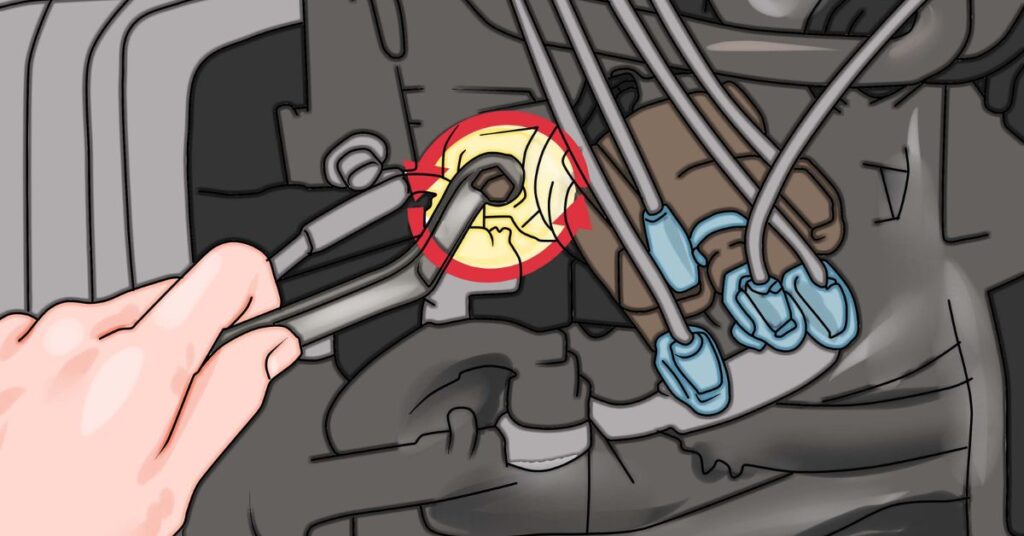
There is no single cause behind the Timing Advance for #1 Cylinder. One of the most common reasons is dirty or old oil. Sludge and varnish can clog the small oil passages that feed a cam phaser or timing solenoid, preventing the cam from moving correctly. Another common cause is a defective camshaft timing actuator or a faulty oil-control solenoid. If that part sticks open or responds slowly, cam timing may stay over-advanced. Worn timing chains, weak tensioners, slipped timing marks, damaged tone rings, and bad crank or cam sensors can also create timing and correlation faults. Wiring trouble matters too. If the sensor signals are weak or broken, the engine computer may think timing is wrong even when the mechanical parts are close to normal. In some cases, low oil pressure can create the same effect because the actuator never gets the oil force it needs.
Symptoms you may notice before the problem gets worse
Many drivers first notice the check engine light, but that is only the start. A car with Timing Advance for #1 Cylinder may feel weak during acceleration, shake at idle, use more fuel, or take longer to start. In some cases, the engine may crank but struggle to fire. In others, it may start and run but feel rough, especially when cold. Some vehicles enter limp mode, which limits power to protect the engine. A rattling noise near the front of the engine can also be a clue, especially if a timing chain or phaser is wearing out. Misfires may occur because valve timing no longer matches piston movement as closely as it should. The hard part is that these symptoms can also look like spark, fuel, or sensor issues. That is why good diagnosis matters more than guessing and changing parts one by one.
How mechanics diagnose the issue step by step
A smart diagnosis starts with reading all stored trouble codes, not just the first one on the screen. Timing faults often appear together. A mechanic then checks the oil level, condition, and service history, as poor oil maintenance is a very common cause. After that, the wiring and connectors for the camshaft and crankshaft sensors, as well as the timing solenoids, should be inspected for looseness, damage, or corrosion. If the basic checks do not solve it, deeper testing follows. Technicians may compare live cam and crank data with a scan tool or use an oscilloscope to view sensor patterns. If signals look wrong, they may inspect the timing chain, belt, tensioner, phaser, and tone rings. This process matters because replacing a sensor will not fix a stretched chain, and replacing a chain will not fix a stuck oil control solenoid. The best repairs come from matching the symptom with the real cause.
Common repair options and what they fix
The right repair depends on the test results. If the oil is dirty, the first step may be an oil and filter change using the correct viscosity. This can help if sludge is slowing the timing system, though it will not repair worn metal parts. If a VVT or VCT solenoid is clogged or dead, replacing it is often the fix. If the actuator or cam phaser itself is sticking, it may need to be replaced. When the real problem is mechanical wear, such as a stretched timing chain, a damaged tensioner, or a slipped timing component, the repair becomes more extensive and more expensive. Sensor replacement helps only when the sensor or its signal is truly bad. Some service information for certain engines even links specific code pairs to failed timing solenoids, showing how common solenoid problems can be in variable-timing systems. Good shops also clear the codes and recheck live data after repair to confirm the timing is now stable.
Can you keep driving with this problem?
A vehicle may still run with Timing Advance for #1 Cylinder, but that does not mean it is safe to ignore. If the cause is dirty oil or a weak solenoid, the car might only exhibit a rough idle and reduced power at first. But if the timing chain is loose, the phaser is failing badly, or the cam and crank signals are drifting apart, the issue can grow fast. Continued driving may lead to poor fuel economy, more misfires, harder starting, and deeper engine wear. In severe cases, the engine may fail to start or may run so poorly that it becomes unsafe in traffic. On interference engines, a serious timing jump can even risk internal engine damage. That is why the safest advice is simple. Drive only as far as needed to get the car checked, especially if you hear rattling, feel strong shaking, or see multiple timing-related codes together.
How to prevent Timing Advance for #1 Cylinder in the future
Prevention is far cheaper than repair. The biggest habit is regular oil service with the exact oil grade recommended for the engine. Since many variable-timing systems depend on clean oil pressure, missed oil changes are among the fastest ways to invite trouble. It also helps to pay attention to early warning signs such as a brief rattle on startup, weak acceleration, rough idle, or a fresh check engine light. Those signs should not be brushed aside. Using high-quality oil filters matters, too, because they help keep fine dirt out of the timing system. If a vehicle already has high mileage, listening for chain noise and scanning codes early can catch a problem before it turns into a major repair. Good maintenance does not guarantee perfect timing forever, but it greatly reduces the chance that sludge, low oil pressure, or actuator sticking will create another Timing Advance For #1 Cylinder fault later.
Final thoughts on Timing Advance For #1 Cylinder
The message “Timing Advance For #1 Cylinder“ should be taken seriously but not cause panic. It is best understood as a warning that the engine’s timing control is no longer matching what the computer expects on one bank of cylinders. Sometimes the fix is simple, such as correcting oil problems or replacing a clogged timing solenoid. Other times, the repair involves sensors, wiring, a cam phaser, or full timing components. The key is not to guess. A good diagnosis saves money and protects the engine from unnecessary damage. For drivers, the smartest move is to stop ignoring the light, check the oil, and get proper testing done before the issue grows. For writers and readers, the easiest way to remember this problem is to think of the engine as an orchestra. When one instrument plays too early, the whole song sounds wrong. That is exactly what bad timing does inside an engine.
FAQs
What does Timing Advance For #1 Cylinder mean?
It usually means the engine computer sees the cam timing on the bank with cylinder one moving too far ahead, or a timing relationship problem between the camshaft and crankshaft.
Can low oil cause Timing Advance For #1 Cylinder?
Yes. Low oil level, incorrect oil thickness, dirty oil, or low oil pressure can all affect variable valve timing components and may trigger this fault.
Is Timing Advance for #1 Cylinder caused solely by a bad sensor?
Not always. A bad sensor can cause it, but common causes also include dirty oil, a stuck timing solenoid, a failed cam phaser, worn timing chain parts, or wiring trouble.
Can I drive the #1 cylinder with Timing Advance?
You may be able to drive for a short distance, but it is not wise to ignore it. The problem can worsen and may lead to rough running, hard starting, poor fuel economy, or larger engine damage.
What is the first thing to check when this warning appears?
Start with the basics. Check engine oil level and condition, then scan for all codes. After that, inspect sensor wiring and timing control parts before replacing anything.