R91.1: Understanding the ICD-10 Code for Solitary Pulmonary Nodule

Introduction
The medical code R91.1 is an important diagnostic classification used in healthcare systems worldwide. If you have recently received a medical report mentioning R91.1, you may wonder what it means and whether it indicates a serious health condition. In simple terms, R91.1 refers to a solitary pulmonary nodule, which is a single abnormal spot or small growth detected in the lung through imaging tests such as chest X-rays or CT scans. Healthcare providers use this ICD-10 code to document and classify findings accurately.
Although discovering a lung nodule can feel concerning, many pulmonary nodules are benign and do not develop into cancer. However, physicians carefully evaluate these findings because some nodules may represent an early stage of lung disease. Understanding the meaning of R91.1, its causes, diagnosis, treatment options, and follow-up recommendations can help patients make informed decisions about their health. This comprehensive guide explains everything you need to know about R91.1, solitary pulmonary nodules, lung imaging findings, and related medical considerations.
What Is R91.1?
The ICD-10-CM code R91.1 specifically identifies a solitary pulmonary nodule. This code belongs to the category of abnormal findings detected on lung imaging studies. Medical professionals use it when a chest CT scan, X-ray, or another imaging test reveals a single nodule in the lung, but no definitive diagnosis has been established yet. The code is billable and valid for healthcare documentation and insurance claims.
A pulmonary nodule is generally a small, round, or oval-shaped growth in lung tissue. Most nodules measure less than three centimeters in diameter. Because the finding appears on imaging before doctors determine its exact cause, the code R91.1 serves as an initial classification. Once additional testing confirms the underlying condition, healthcare providers may assign a more specific diagnosis code if necessary. Therefore, R91.1 represents a finding rather than a confirmed disease.
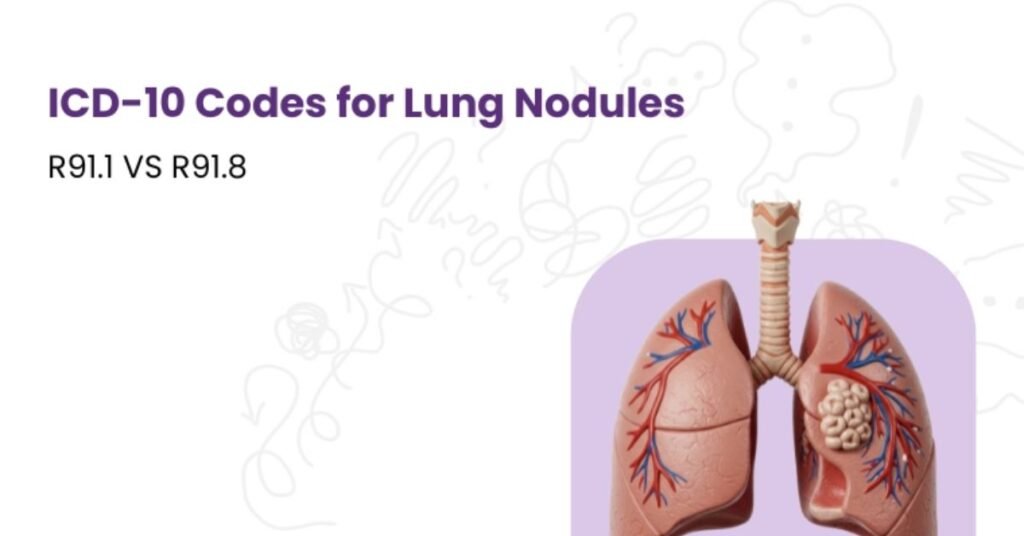
Understanding Solitary Pulmonary Nodules
A solitary pulmonary nodule is a single abnormal spot located within the lung. Unlike multiple nodules, which may indicate a broader condition, a solitary nodule exists alone and often appears incidentally during imaging performed for unrelated reasons. Many patients discover they have a pulmonary nodule after undergoing scans for chest pain, respiratory symptoms, or routine screenings.
The appearance of a solitary pulmonary nodule does not automatically mean cancer. In fact, numerous benign conditions can create similar imaging findings. Infections, healed inflammation, scar tissue, and noncancerous growths frequently contribute to these abnormalities. Nevertheless, physicians evaluate each nodule carefully because early-stage lung cancer can also appear as a solitary nodule. As a result, follow-up imaging and risk assessment play essential roles in determining the appropriate course of action.
Why Is the R91.1 Code Important?
The R91.1 code provides a standardized way for healthcare providers to communicate imaging findings. Medical coding supports accurate documentation, insurance processing, research, and patient care coordination. When physicians record R91.1, specialists immediately understand that imaging has identified a solitary pulmonary nodule requiring evaluation or monitoring.
Furthermore, this code helps establish a clear medical record. As patients move through diagnostic testing and treatment, healthcare teams can track changes in the nodule over time. Consistent coding also improves communication between radiologists, pulmonologists, primary care physicians, and insurance providers. Consequently, the use of R91.1 contributes to efficient healthcare management and appropriate clinical decision-making.
Common Causes of R91.1 Findings
Several conditions may lead to the discovery of a solitary pulmonary nodule. One common cause involves previous infections. When the body fights bacterial or fungal infections, residual scar tissue can remain in the lungs and appear as a nodule on imaging studies. These scars often remain stable and harmless for years.
Inflammatory diseases can also contribute to pulmonary nodules. Conditions such as rheumatoid arthritis and certain autoimmune disorders sometimes create lung abnormalities visible on CT scans. Additionally, exposure to environmental irritants may trigger localized tissue changes. While these causes are generally noncancerous, physicians still monitor the findings to ensure stability and rule out more serious conditions.
Another important consideration involves benign tumors. Hamartomas, for example, represent noncancerous lung growths that frequently appear as solitary nodules. These lesions usually grow slowly and rarely cause complications. Because imaging alone cannot always distinguish benign and malignant nodules, healthcare providers often recommend additional evaluation.
Risk Factors Associated With Solitary Pulmonary Nodules
Although anyone can develop a pulmonary nodule, certain risk factors increase the likelihood of finding one during imaging examinations. Age plays a significant role. Older adults are more likely to develop lung nodules due to cumulative environmental exposure and natural tissue changes over time.
Smoking remains one of the most important risk factors. Current and former smokers face a greater chance of developing lung abnormalities, including cancerous nodules. As a result, physicians consider smoking history carefully when evaluating R91.1 findings. Other factors include exposure to asbestos, radon, industrial chemicals, and air pollution.
Family history also influences risk assessment. Individuals with relatives who have experienced lung cancer may require closer monitoring. Additionally, previous cancer diagnoses can increase concern because certain cancers spread to the lungs. Therefore, healthcare providers evaluate the complete medical history before determining the appropriate follow-up strategy.
Symptoms Related to R91.1
Most solitary pulmonary nodules do not cause noticeable symptoms. In many cases, patients feel completely healthy and discover the nodule accidentally during imaging performed for another reason. This lack of symptoms explains why pulmonary nodules often surprise patients during routine medical evaluations.
However, symptoms may occur if the underlying cause affects lung function. Some individuals experience persistent coughing, mild chest discomfort, or shortness of breath. If an infection contributes to the nodule, fever and fatigue may accompany respiratory symptoms. Furthermore, larger nodules occasionally create localized irritation within the lung.
Despite these possibilities, symptoms alone cannot determine whether a nodule is benign or malignant. Therefore, healthcare professionals rely on imaging characteristics, medical history, and additional testing rather than symptoms alone when assessing R91.1 findings.
How Doctors Diagnose a Solitary Pulmonary Nodule
The diagnostic process usually begins with imaging studies. A chest X-ray may reveal an unexpected abnormality, prompting physicians to order a CT scan for a more detailed evaluation. CT imaging provides valuable information about the nodule’s size, shape, location, and density. These characteristics help estimate the likelihood of malignancy.
During evaluation, radiologists examine whether the nodule appears smooth, calcified, irregular, or rapidly growing. Certain imaging features suggest a benign condition, while others may raise suspicion for cancer. Consequently, physicians combine imaging findings with patient risk factors to develop an individualized management plan.
In some situations, doctors recommend advanced imaging such as PET scans. These tests assess metabolic activity within the nodule and can provide additional clues regarding its nature. While PET imaging does not offer definitive answers, it often helps guide further decision-making.
Follow-Up Testing for R91.1
When physicians identify a solitary pulmonary nodule, they frequently recommend periodic imaging follow-up. The purpose is to determine whether the nodule remains stable or changes over time. Stable nodules often indicate benign conditions, whereas growth may require additional investigation.
The frequency of follow-up imaging depends on several factors. Doctors consider the nodule’s size, appearance, patient age, smoking history, and overall health status. Smaller nodules generally require less aggressive monitoring, while larger or suspicious nodules may warrant closer observation.
Regular surveillance allows healthcare providers to detect meaningful changes early. Through ongoing monitoring, physicians can identify potentially serious conditions while avoiding unnecessary procedures for stable, benign findings.
Can R91.1 Indicate Lung Cancer?
One of the most common concerns involves the relationship between R91.1 and lung cancer. Although some solitary pulmonary nodules eventually receive a cancer diagnosis, many do not. The presence of R91.1 alone does not confirm malignancy. Instead, it indicates that imaging has detected a nodule requiring evaluation.
Several factors influence cancer risk. Larger nodules, irregular borders, growth over time, and certain imaging characteristics increase concern. Likewise, smoking history and older age contribute to a higher likelihood of malignancy. Conversely, small, stable nodules with benign features often pose little risk.
Because early detection improves treatment outcomes, physicians take suspicious nodules seriously. Prompt evaluation and appropriate follow-up help ensure timely diagnosis if cancer develops. Therefore, patients should attend all recommended appointments and imaging studies.
Treatment Options for Solitary Pulmonary Nodules
Treatment depends entirely on the underlying cause of the nodule. Many benign nodules require no active treatment beyond observation. In these cases, periodic imaging confirms stability and reassures both patients and healthcare providers.
If infection causes the nodule, physicians may prescribe antimicrobial medications. Successful treatment often reduces inflammation and prevents complications. Likewise, inflammatory conditions may respond to medications that address the underlying disease process.
When testing suggests cancer, treatment options vary according to the specific diagnosis and stage. Surgery, radiation therapy, targeted therapies, and chemotherapy may play roles in management. Early-stage lung cancers detected as solitary nodules often have favorable treatment outcomes compared with more advanced disease.
Living With an R91.1 Diagnosis
Receiving a report mentioning R91.1 can create anxiety. However, understanding the nature of solitary pulmonary nodules often reduces unnecessary worry. Most nodules do not immediately threaten health, and many remain harmless throughout a person’s life.
Patients can support their lung health by adopting healthy lifestyle habits. Smoking cessation provides significant benefits and reduces future respiratory risks. Regular exercise, balanced nutrition, and routine medical care also contribute to overall wellness. Additionally, following physician recommendations for imaging surveillance ensures timely identification of any changes.
Open communication with healthcare providers remains essential. Patients should ask questions, discuss concerns, and fully understand their follow-up plans. Knowledge empowers individuals to participate actively in their healthcare decisions.
Preventing Future Lung Health Problems
While not all pulmonary nodules are preventable, certain measures can reduce lung-related risks. Avoiding tobacco products remains the most effective strategy. Smoking damages lung tissue and increases the likelihood of developing cancer and other respiratory diseases.
Environmental awareness also matters. Limiting exposure to harmful chemicals, industrial dust, and air pollution can help protect lung health. Individuals working in high-risk occupations should use recommended protective equipment consistently.
Routine health screenings offer additional benefits. For eligible individuals, lung cancer screening programs can identify abnormalities early. Early detection often leads to better outcomes and more treatment options. Therefore, proactive healthcare plays a valuable role in long-term respiratory wellness.
Conclusion
The ICD-10 code R91.1 refers to a solitary pulmonary nodule, a finding commonly detected during lung imaging studies. Although discovering a lung nodule can feel alarming, many nodules are benign and never cause serious health problems. Healthcare providers use R91.1 to document the finding while conducting further evaluation and monitoring.
Understanding the causes, risk factors, diagnostic process, and treatment options associated with R91.1 empowers patients to make informed decisions. If your medical report includes this code, follow your physician’s recommendations and attend all scheduled follow-up appointments. Early evaluation and ongoing monitoring provide the best path toward protecting your lung health and ensuring peace of mind.
CTA: Have questions about R91.1 or a solitary pulmonary nodule? Consult your healthcare provider promptly, review your imaging results carefully, and stay proactive about your respiratory health. Early awareness and timely follow-up can make a significant difference.
Frequently Asked Questions (FAQs)
What does R91.1 mean in ICD-10?
R91.1 is the ICD-10-CM diagnosis code for a solitary pulmonary nodule, which is a single abnormal spot identified in the lung through imaging studies.
Is R91.1 considered lung cancer?
No. R91.1 is not a cancer diagnosis. It simply indicates that a solitary pulmonary nodule was found on imaging. Additional testing determines whether the nodule is benign or malignant.
Are most pulmonary nodules cancerous?
No. Most pulmonary nodules are benign and result from infections, inflammation, or noncancerous growths rather than cancer.
How is a solitary pulmonary nodule diagnosed?
Doctors typically identify pulmonary nodules through chest X-rays or CT scans. Additional imaging and testing may be required to determine the cause.
Does every pulmonary nodule require treatment?
No. Many nodules only require monitoring with follow-up imaging. Treatment depends on the underlying cause and associated risk factors.
Can a pulmonary nodule disappear?
Yes. Some nodules related to infection or inflammation may shrink or disappear after treatment. Others remain stable without causing health problems.
How often should R91.1 be monitored?
Follow-up schedules vary according to the nodule’s size, appearance, and individual risk factors. Your healthcare provider will recommend an appropriate monitoring plan.


Post Comment